Should I Learn Automatic or Manual?
Compare automatic and manual driving lessons, understand the licence differences and choose the option that best suits your confidence, budget and future driving plans.
Choose the option that suits how you learn and how you plan to drive
Manual and automatic driving lessons both teach the observation, planning and decision-making skills needed to become a safe driver. The main difference is how the vehicle is controlled and which cars you can drive after passing.
Some learners prefer the extra flexibility of a manual licence, while others progress more comfortably in an automatic car with fewer controls to manage.
Compare the main differences
The best choice depends on your individual needs rather than one option being universally better.
Manual driving lessons
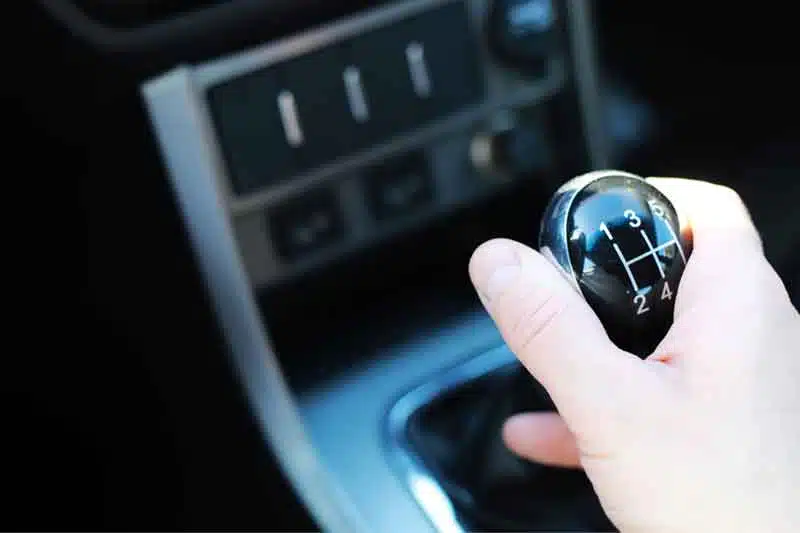
Manual cars require you to coordinate the clutch pedal and select gears while driving.
- Learn clutch control and gear selection
- Manual licence covers manual and automatic cars
- More controls to coordinate while learning
- Manual instructors may be available in more areas
Automatic driving lessons
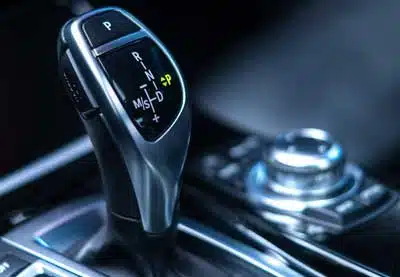
Automatic cars select gears for you, so there is no clutch pedal or manual gear changing.
- No clutch control to manage
- No manual gear changes
- Can feel less demanding for some learners
- Automatic licence covers automatic cars only
The licence difference matters
Passing your practical test in a manual car allows you to drive both manual and automatic cars.
Passing in an automatic gives you an automatic-only licence. You would need to pass a manual practical test later before driving a manual car.
Electric cars are automatic
Fully electric cars do not use a conventional manual gearbox or clutch pedal. They are driven in a similar way to an automatic car, using an accelerator, brake and drive selector.
This may make automatic lessons an attractive option if you expect your first or future car to be electric. However, passing a manual test still gives you the wider choice of driving both manual and automatic vehicles.
Could you need to drive for work?
Your future job, household vehicles and access to a car may influence whether manual or automatic tuition is the more practical choice.
Work vehicles and vans
Some employers still operate manual cars and vans. A manual licence may provide more employment flexibility where driving forms part of the role.
Shared household cars
Consider which vehicles are available at home. An automatic-only licence may limit your options if the household car is manual.
Buying your first car
Automatic cars may cost more to buy in some parts of the used-car market, although availability continues to grow as hybrid and electric vehicles become more common.
Changing your mind later
You can pass in an automatic first and take a manual practical test later, but this requires additional tuition and another test.
Manual lessons may suit you if…
You want maximum vehicle choice
A manual licence normally gives you the option to drive both manual and automatic vehicles.
You may drive for work
Some employers and vehicle fleets still use manual cars or vans, so a manual licence may provide greater flexibility.
You are comfortable coordinating controls
You may enjoy learning clutch control and gear selection and feel confident managing several controls together.
Manual tuition is more available locally
In some locations there may be more manual instructors or shorter waiting times for lessons.
Automatic lessons may suit you if…
You feel overwhelmed by clutch control
Removing clutch control and manual gear changes can reduce the number of tasks you manage at once.
You are a nervous learner
Some nervous learners find an automatic car gives them more mental space for observations and road planning.
You have struggled in a manual car
Switching to automatic may help when clutch control or gear selection has become a barrier to progress.
You plan to drive an automatic vehicle
Automatic may be a practical choice when you know your household or future vehicle will be automatic.
How do manual and automatic lesson prices compare?
Automatic lessons usually cost more per hour, although the total cost of learning depends on how many hours you need.
Manual lesson prices
A ten-hour manual block currently costs £380.
View manual pricesAutomatic lesson prices
This is equivalent to £43 per hour.
View automatic pricesA lower hourly price does not automatically mean a lower total cost. The overall cost depends on your starting ability, lesson frequency, private practice and progress.
Is the automatic driving test easier?
The practical test assesses the same core driving skills whether you use a manual or automatic car. You must still demonstrate safe observations, planning, judgement, positioning and independent driving.
An automatic car removes clutch control and manual gear changing, but it does not lower the standard required to pass.
Can you switch from manual to automatic?
Yes. Some learners begin in a manual car and later decide that automatic tuition better suits their needs.
Review what is slowing progress
Consider whether clutch control, gear selection or coordinating several controls is taking attention away from the road.
Try an automatic assessment lesson
A lesson in an automatic car can help you compare how each vehicle type feels before making a final decision.
Check local availability
Automatic instructor availability varies by area, so waiting times may differ from manual tuition.
Which option sounds most like you?
Consider manual if…
- You want to drive manual and automatic cars
- You may need a manual vehicle for work
- You are comfortable learning clutch control
- Manual tuition has better local availability
Consider automatic if…
- You want fewer vehicle controls to manage
- Clutch control is delaying your progress
- You plan to drive an automatic vehicle
- You feel more confident without manual gears
📚 Explore the Full Driving Info Hub
Discover more learner driver guides, driving test tips, manoeuvres and lesson recaps to help you build confidence and prepare for your practical test.
Visit the Learner HubManual and automatic intensive courses
Intensive courses may be available for both transmission types, depending on your area, current ability and instructor diary.
Automatic or manual FAQs
Is automatic easier to learn than manual?
Many learners find automatic cars simpler because there is no clutch pedal or manual gear selection. You must still develop safe observation, planning and decision-making skills.
Can I drive a manual car with an automatic licence?
No. Passing in an automatic car normally gives you an automatic-only licence. You would need to pass a manual practical test before driving manual vehicles.
Can I drive an automatic car with a manual licence?
Yes. A full manual UK driving licence normally allows you to drive both manual and automatic cars.
Are automatic driving lessons more expensive?
Automatic lessons often have a higher hourly price. The total cost depends on the number of lessons you need and how quickly you progress.
Can I change from manual lessons to automatic?
Yes. Some learners switch to automatic after finding clutch control or manual gear selection is affecting their confidence or progress.
Can I learn in an automatic first and upgrade to a manual licence later?
Yes. You can pass your practical test in an automatic car, start driving automatic vehicles and then take manual lessons later when you feel ready.
This can help some learners get on the road sooner because they can focus first on observations, planning, junctions and safe decision-making without also managing clutch control and manual gear changes.
When you later want to drive manual vehicles, you can take manual tuition and pass a manual practical test. Once you pass, your licence can be upgraded so you can drive both manual and automatic cars.
Should a nervous learner choose automatic?
Automatic tuition can help some nervous learners by reducing the number of vehicle controls they manage. The best option still depends on the individual learner.
Check which lesson types are available near you
Tell us your postcode, previous experience and preferred lesson type so we can check suitable local instructors.